Autophagy Proteins Direct STING Trafficking and Innate Immune Signaling Independently of Canonical Autophagy
Author: Leslie, Kent L.
Year: 2026
Degree: Dissertation (Ph.D.)
Advisor: Chou, Tsui-Fen
Committee Members: Guttman, Mitchell; Chong, Shasha; Gradinaru, Viviana; Prober, David A.; Chou, Tsui-Fen
Option: Biology
DOI: 10.7907/27n6-za50
Abstract
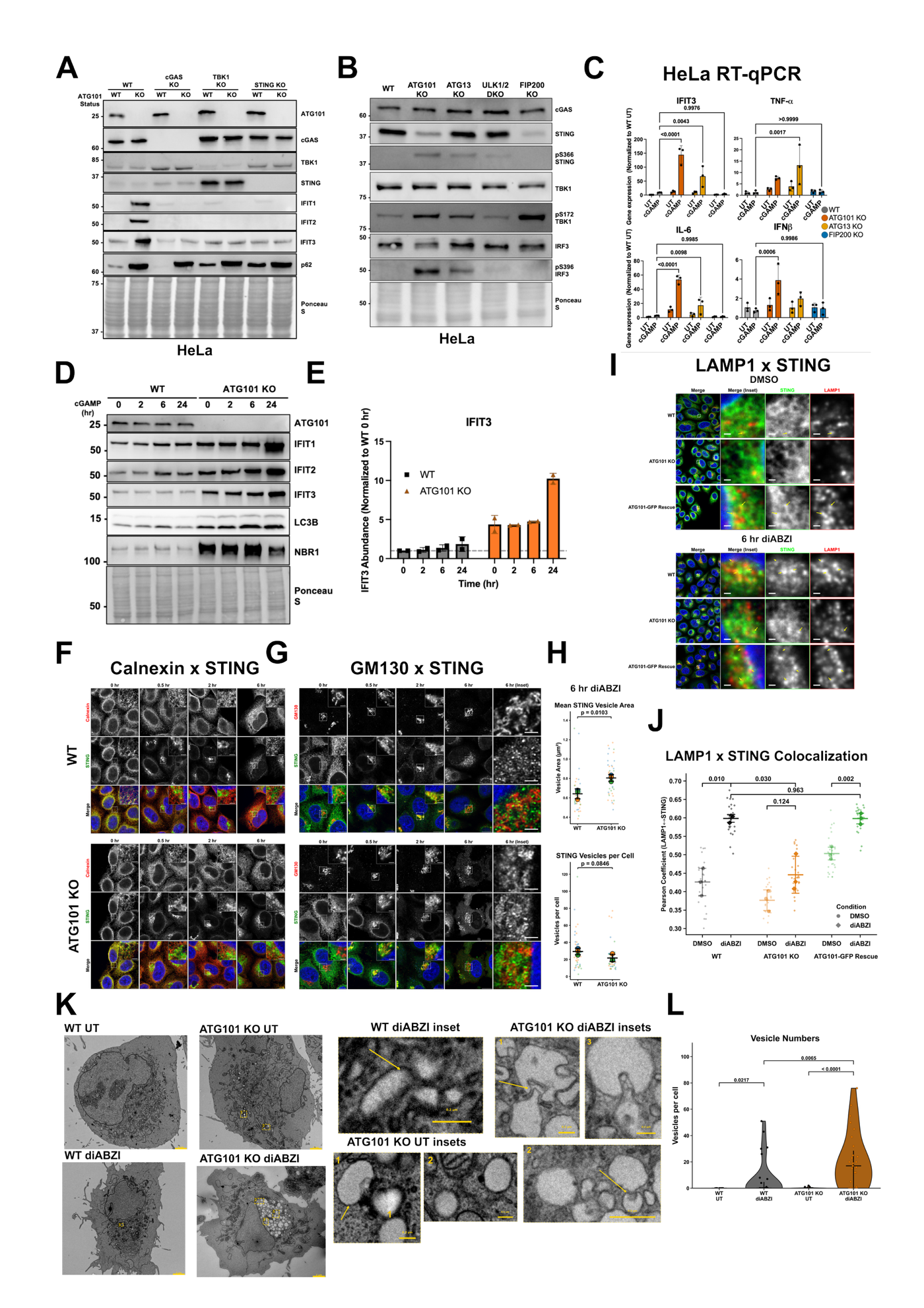
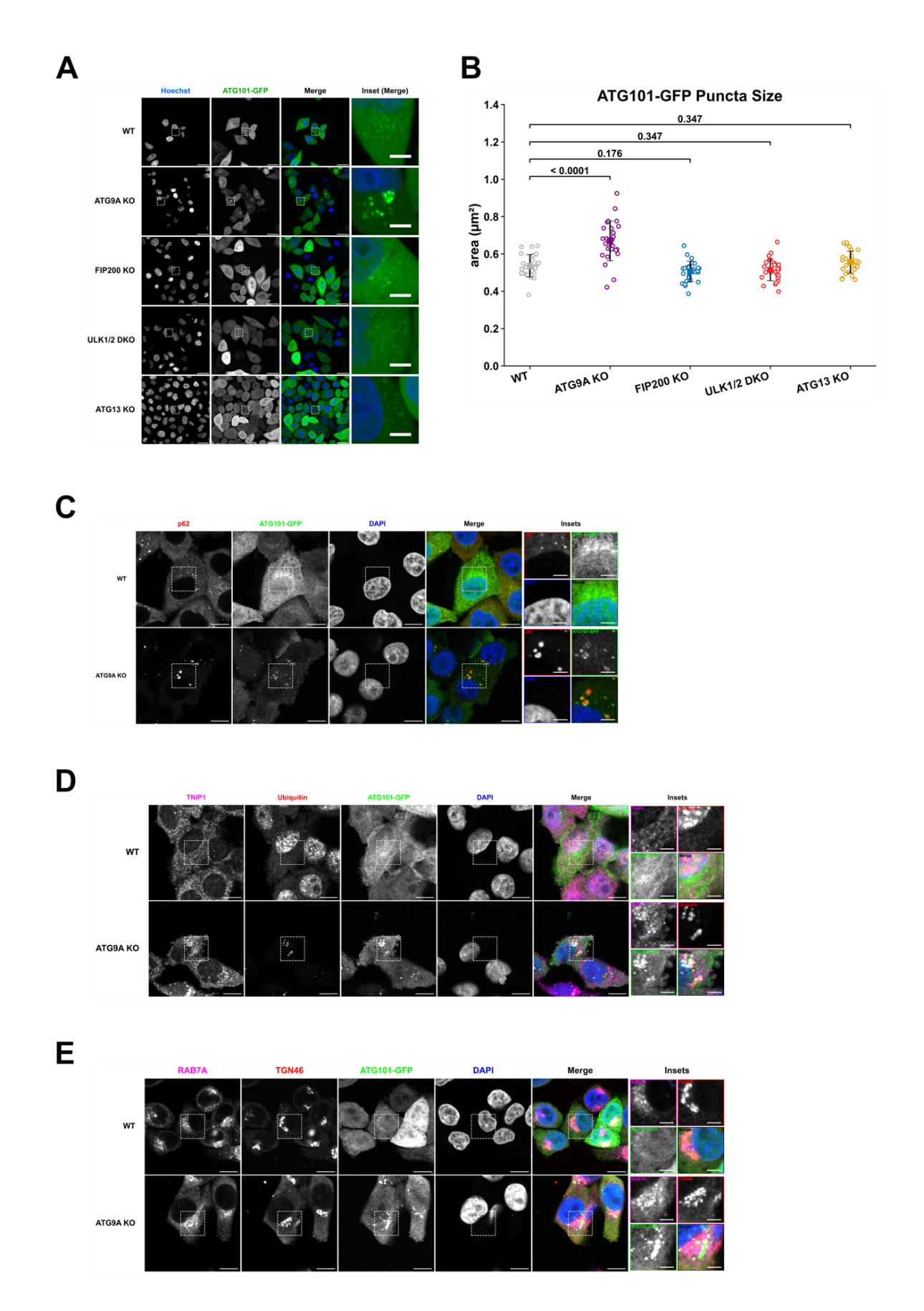
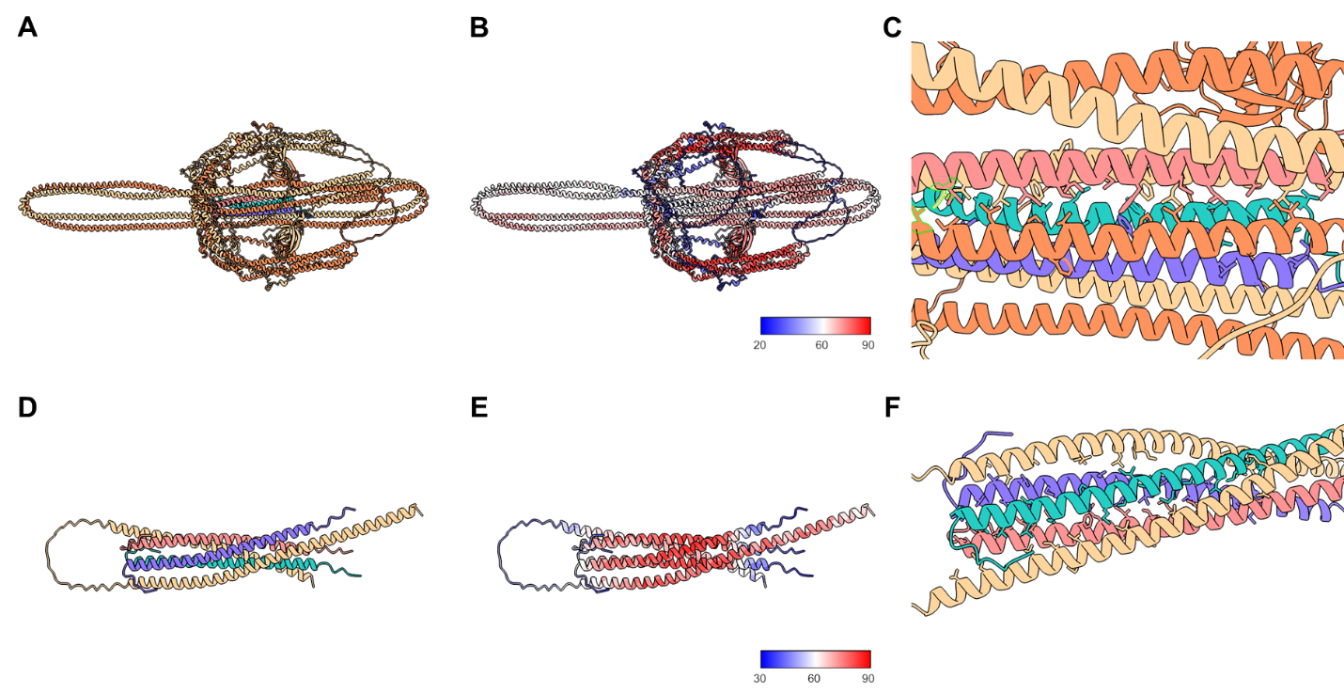
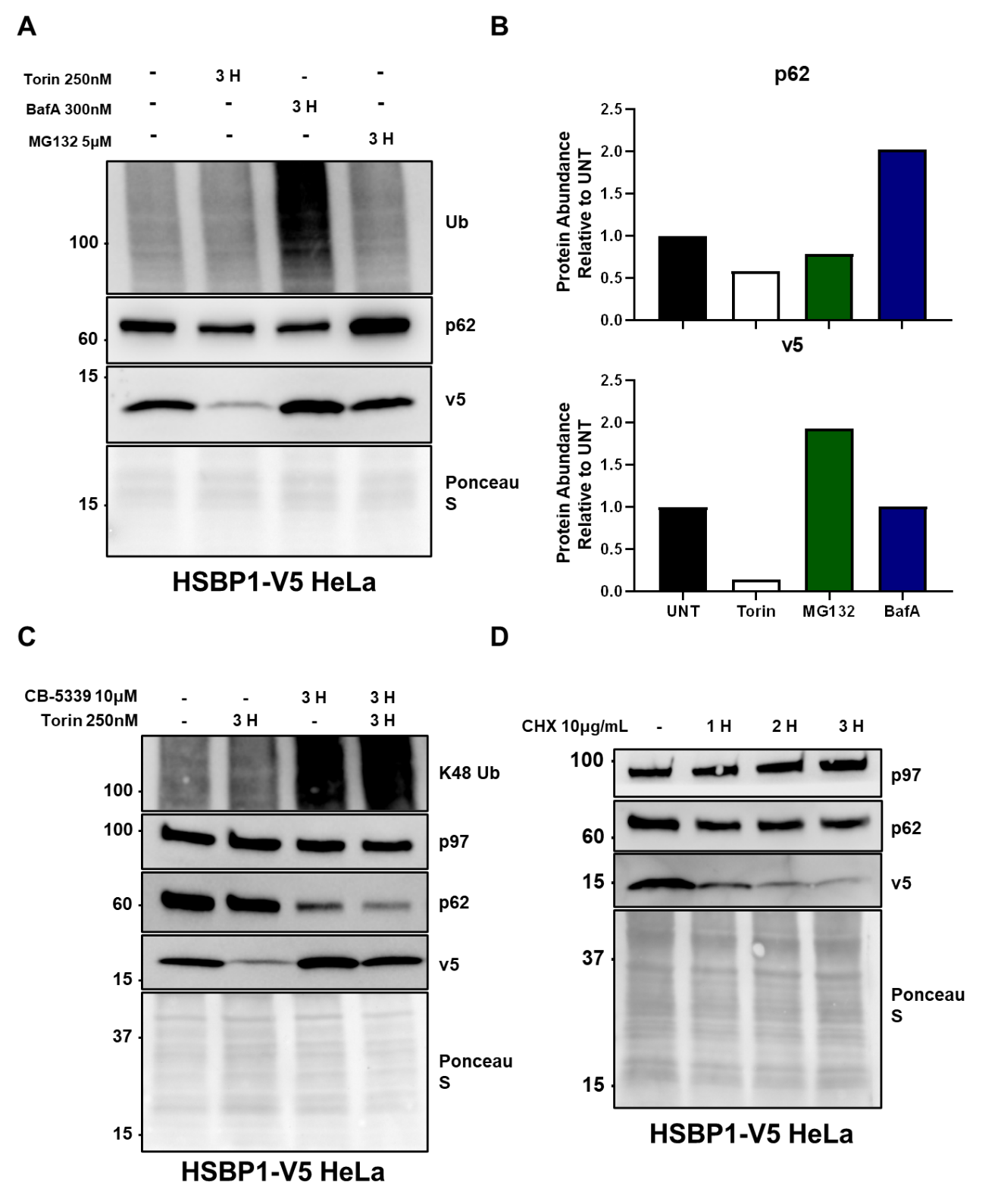
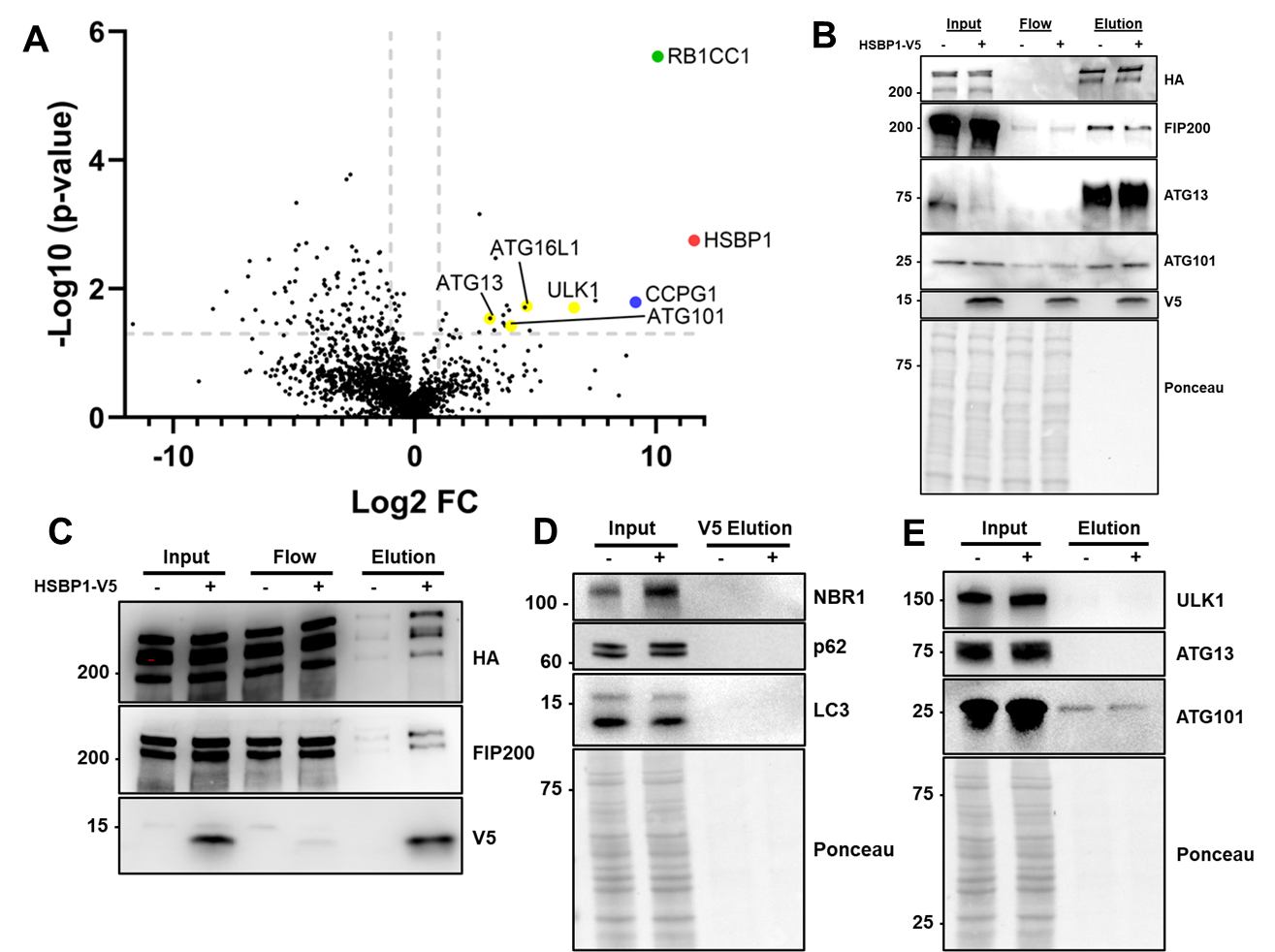
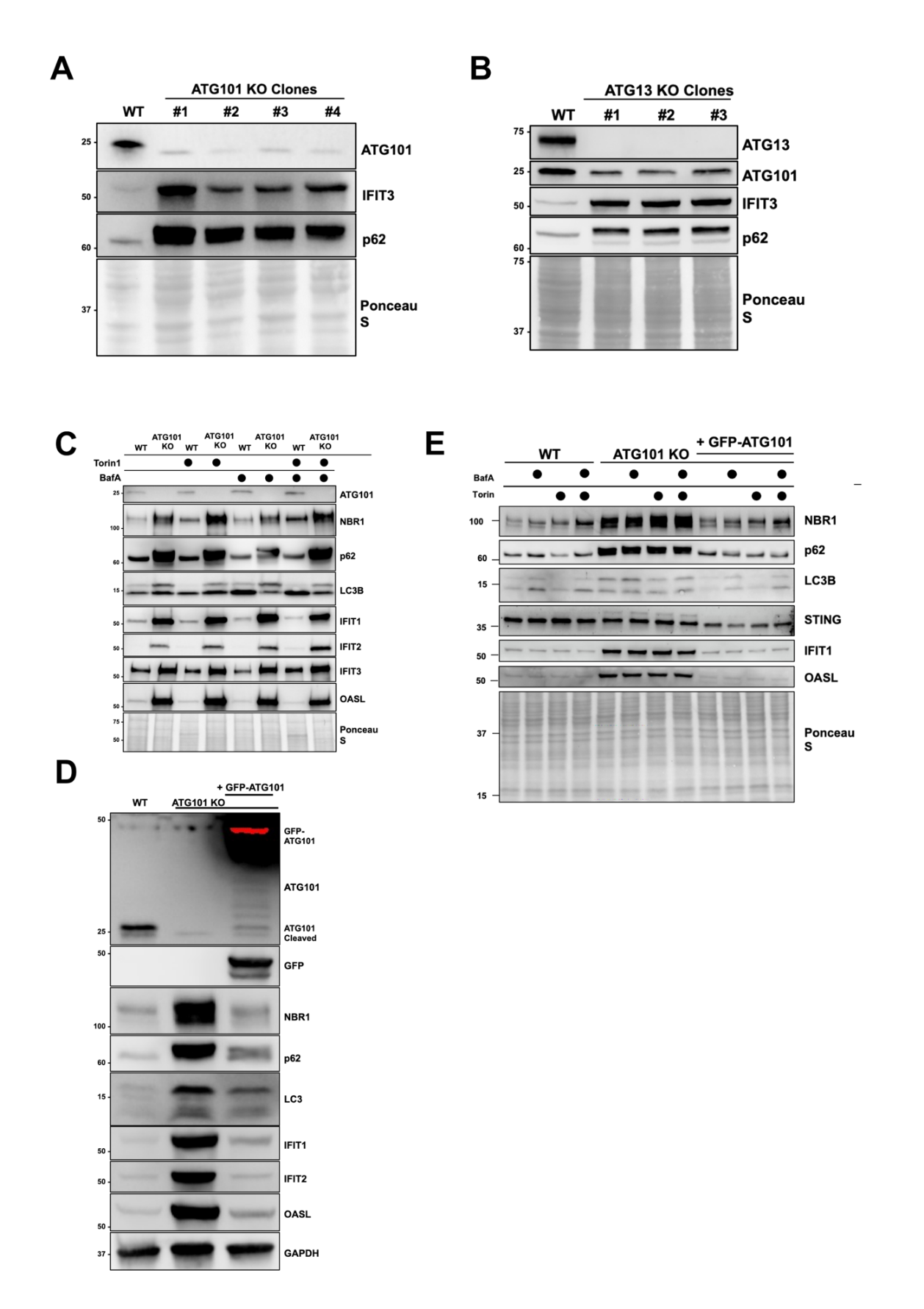
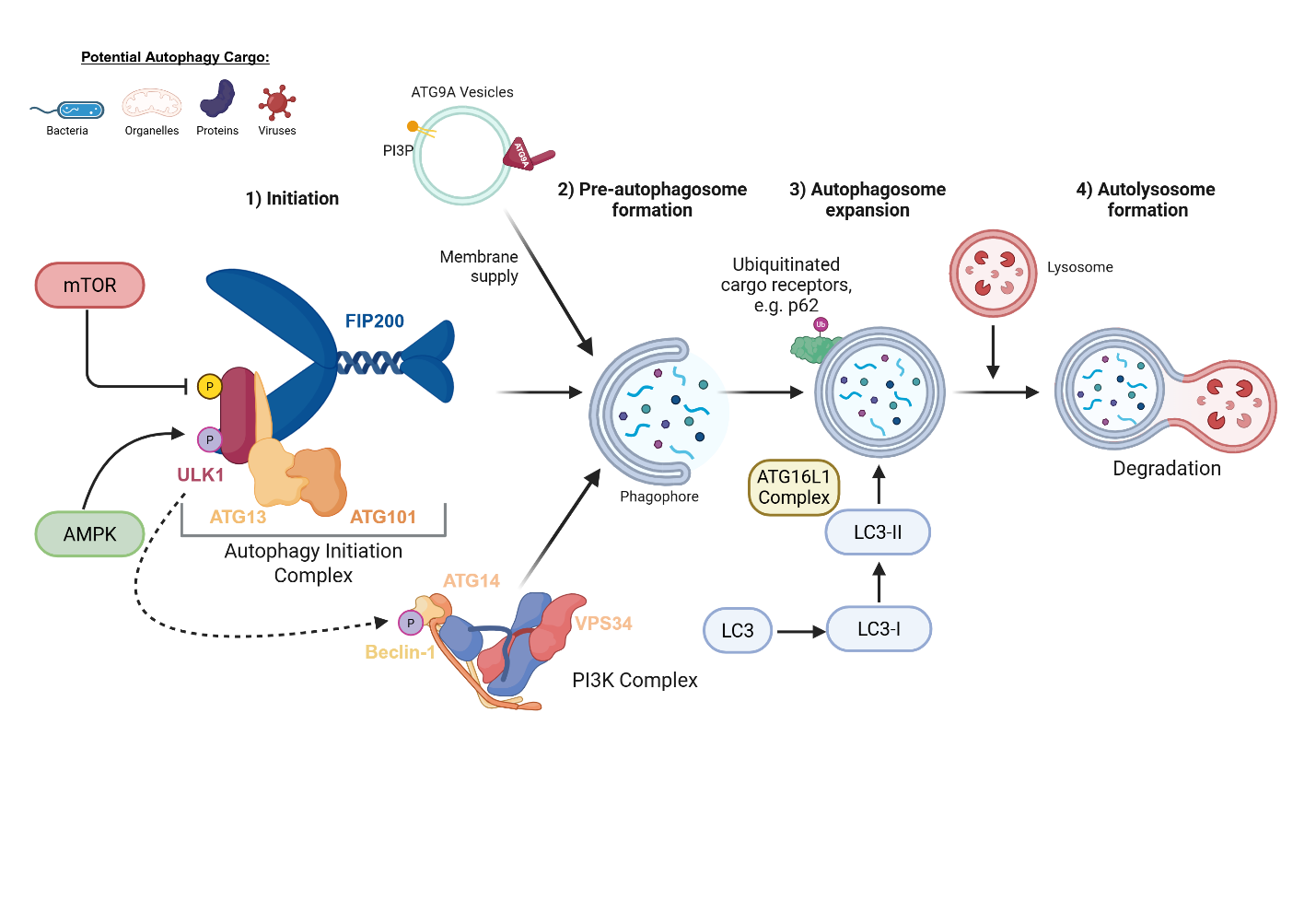
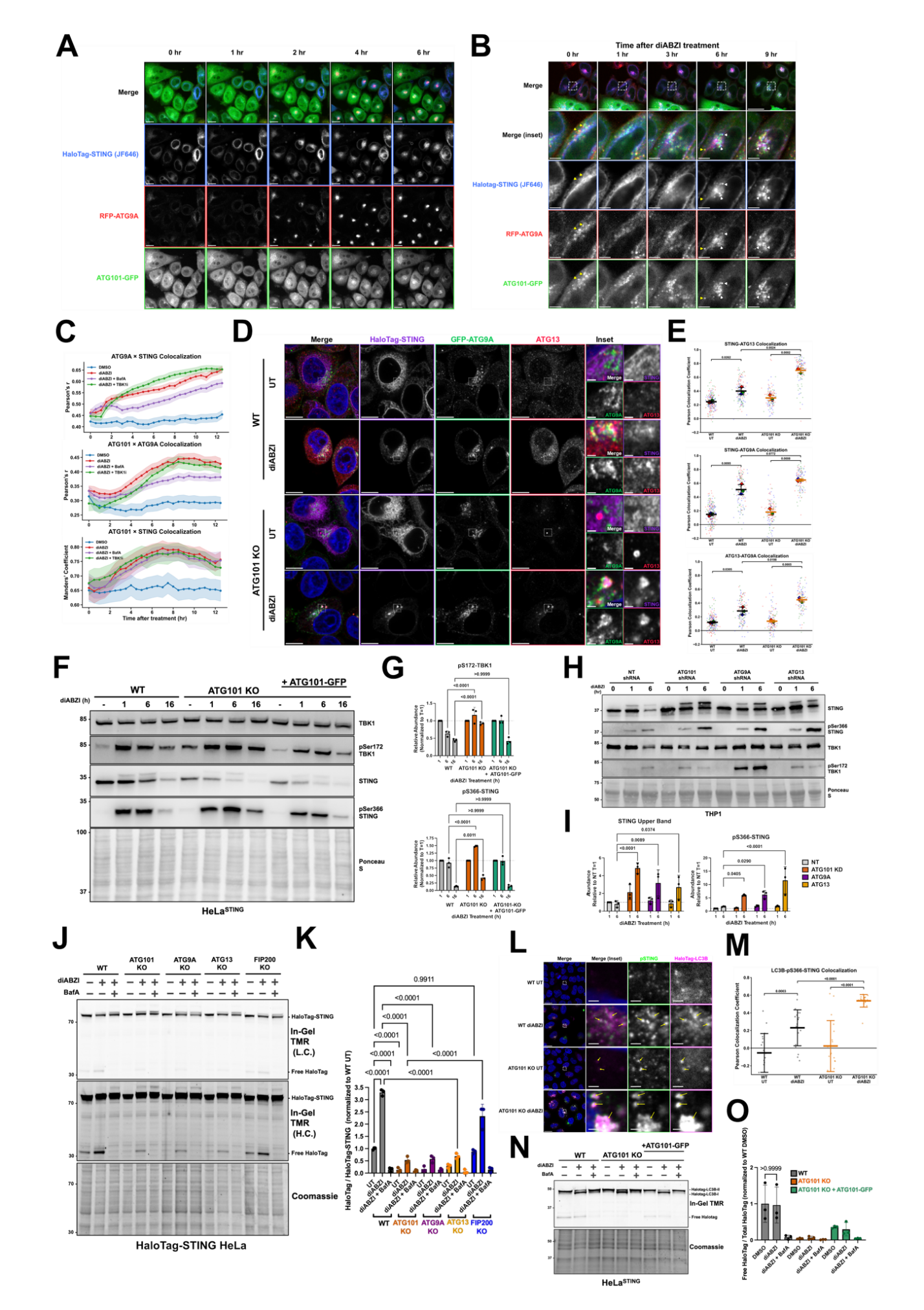
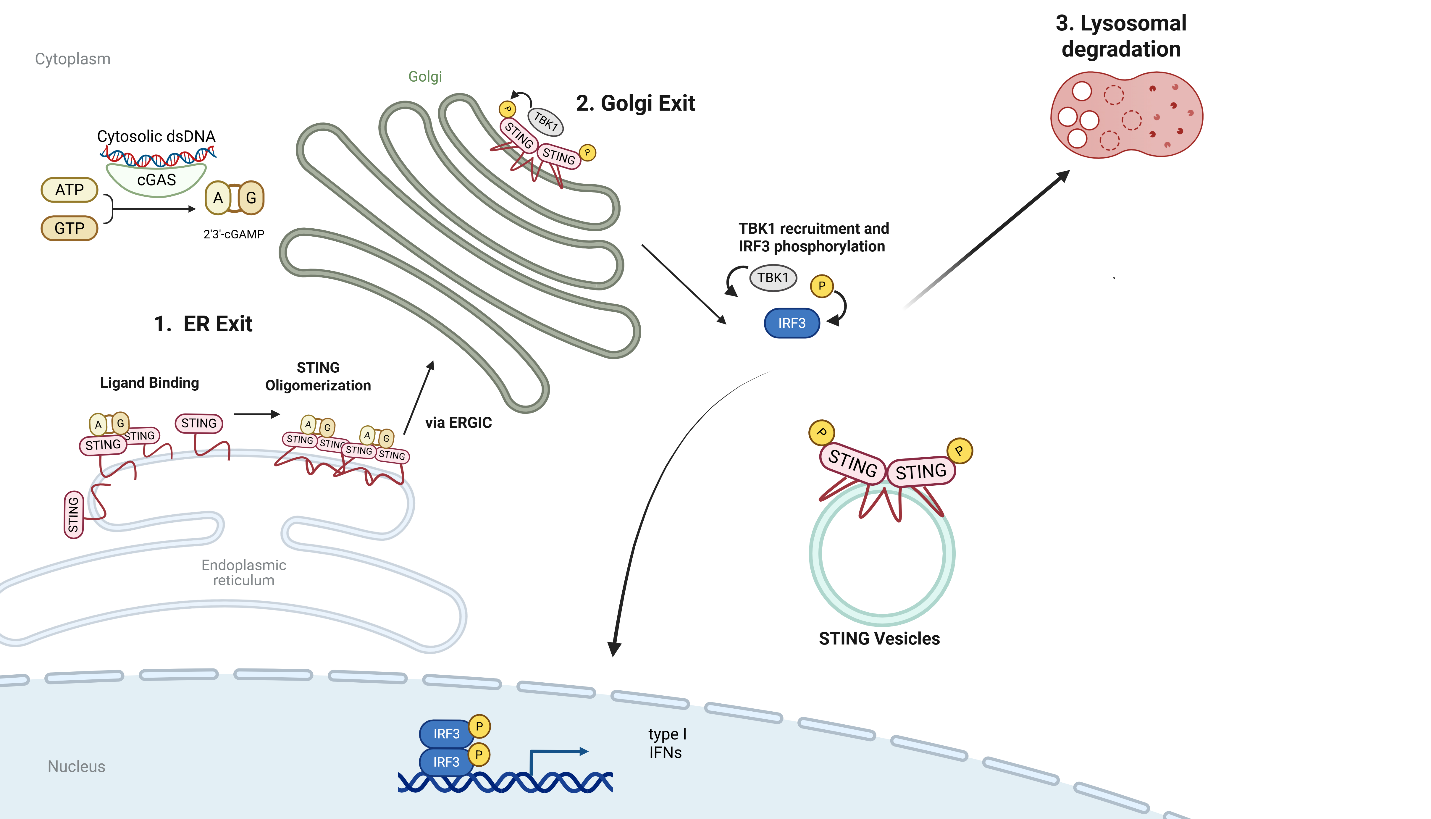
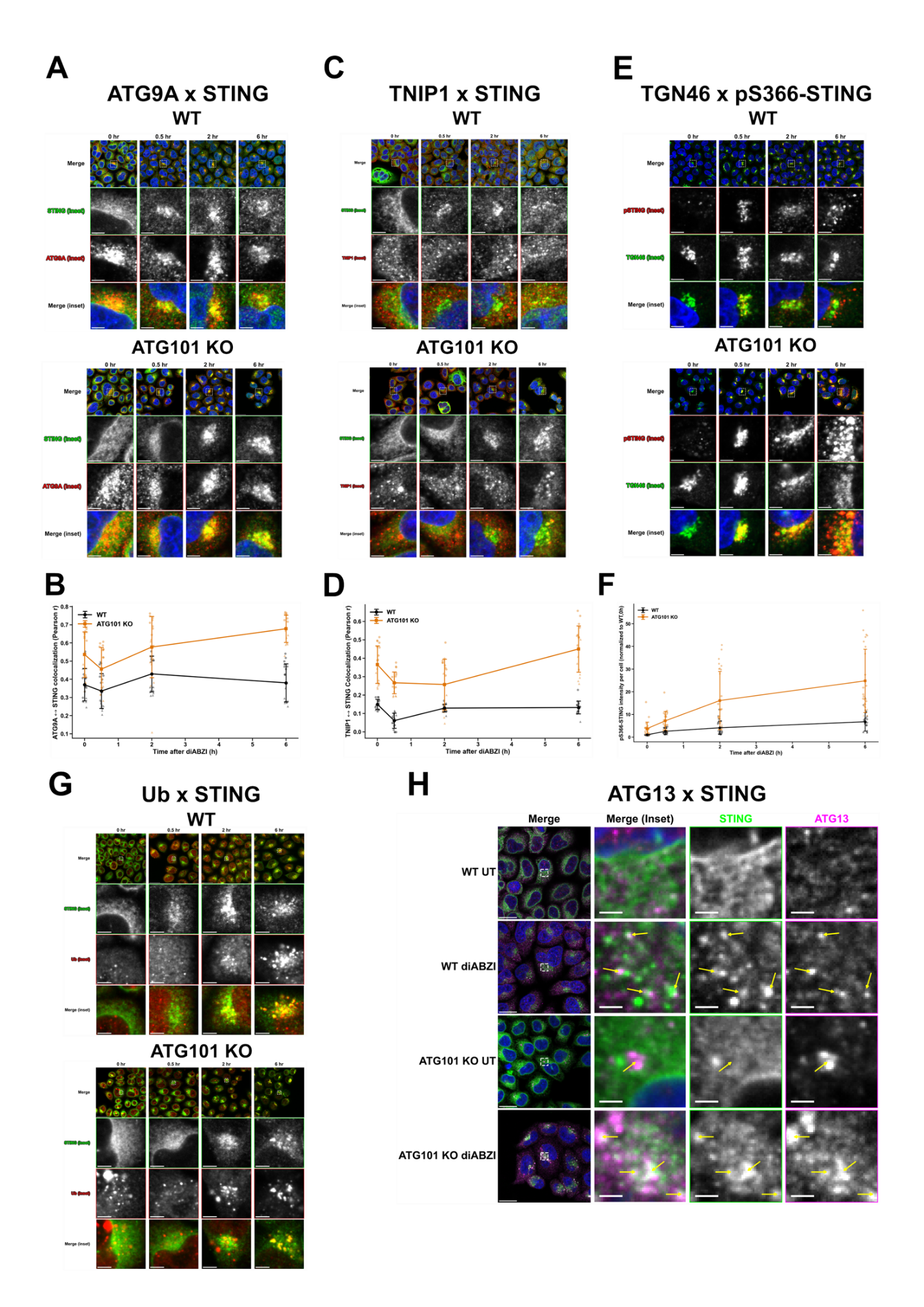
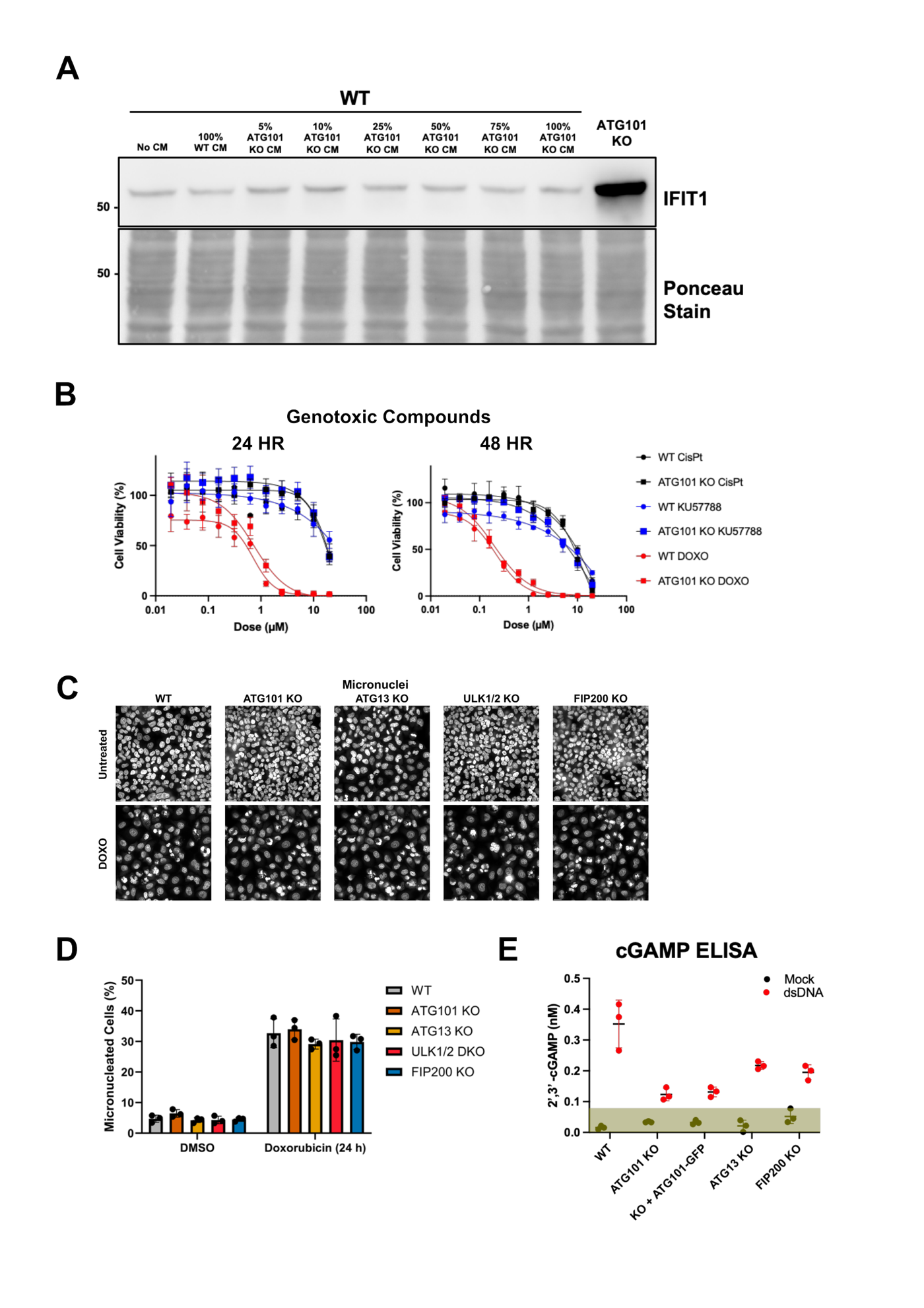
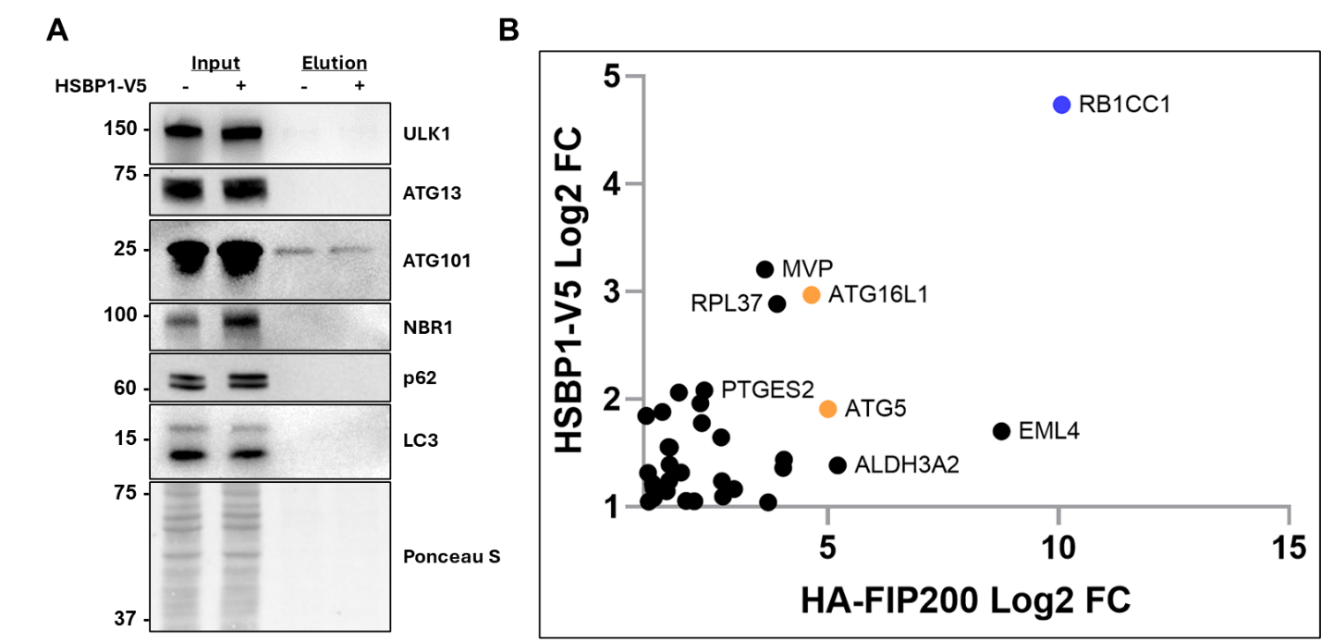
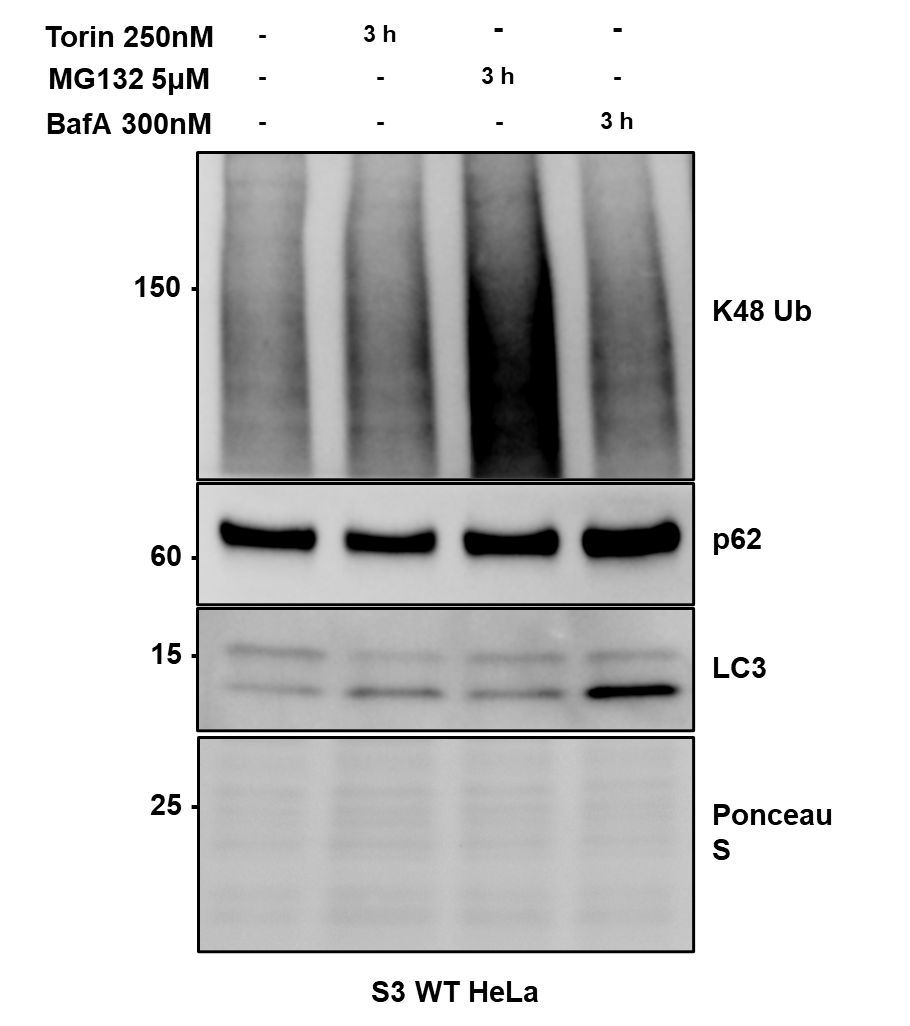
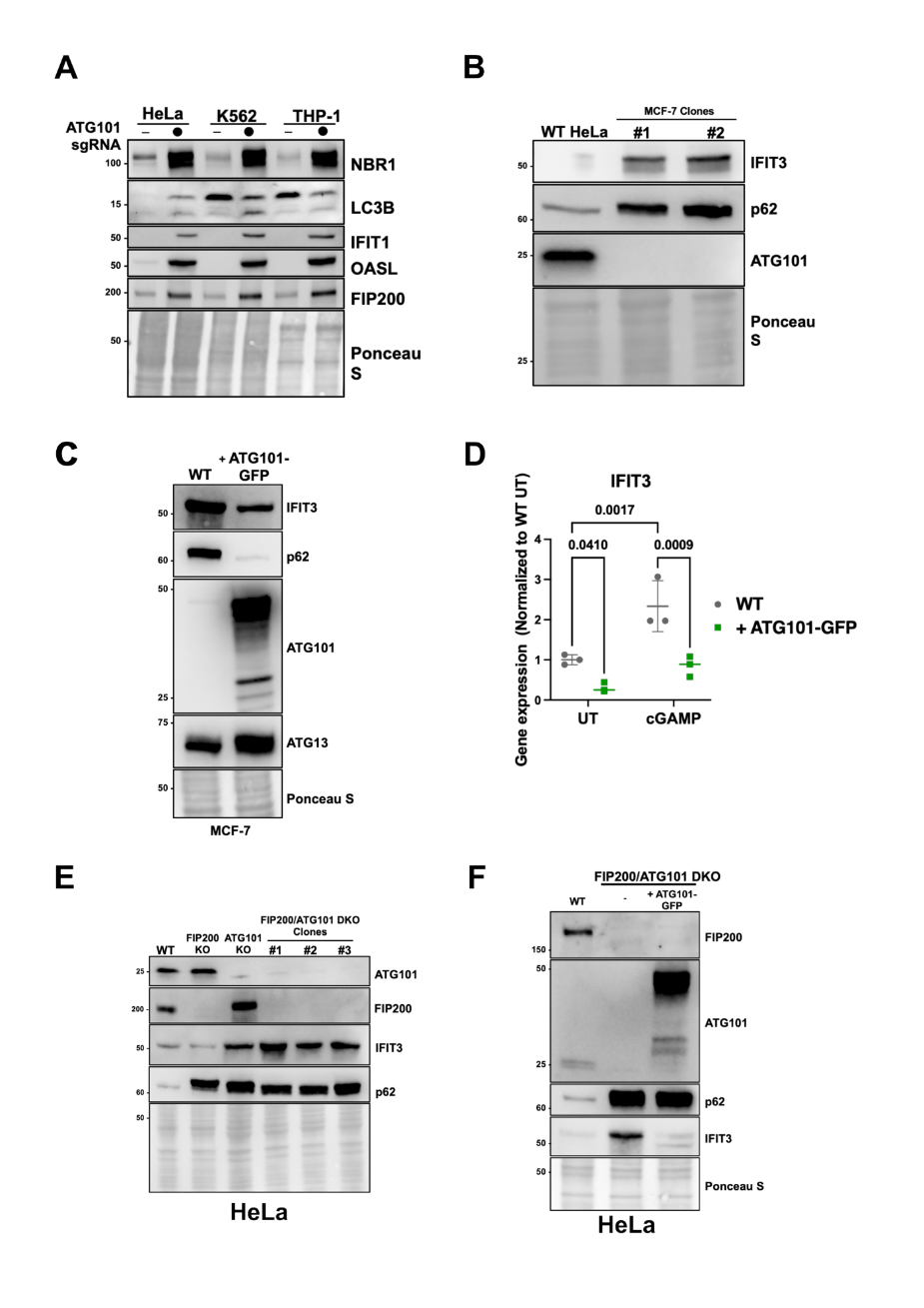
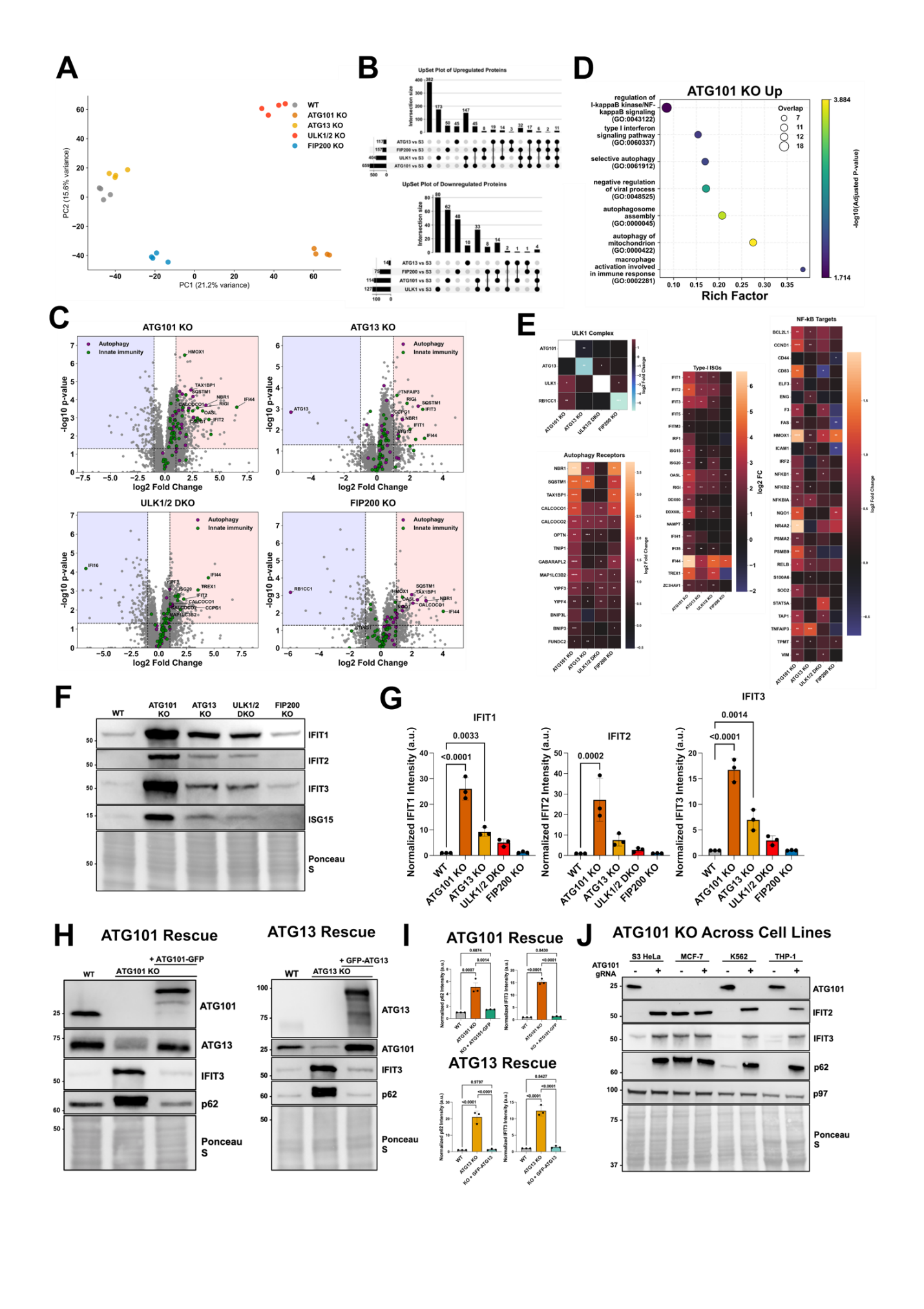
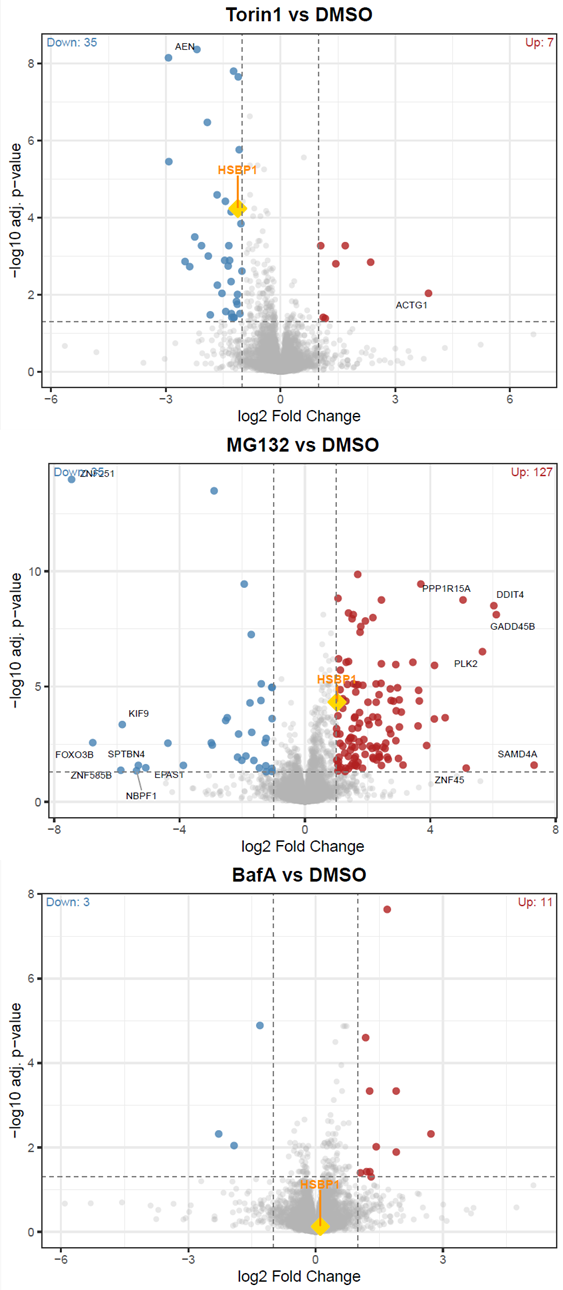
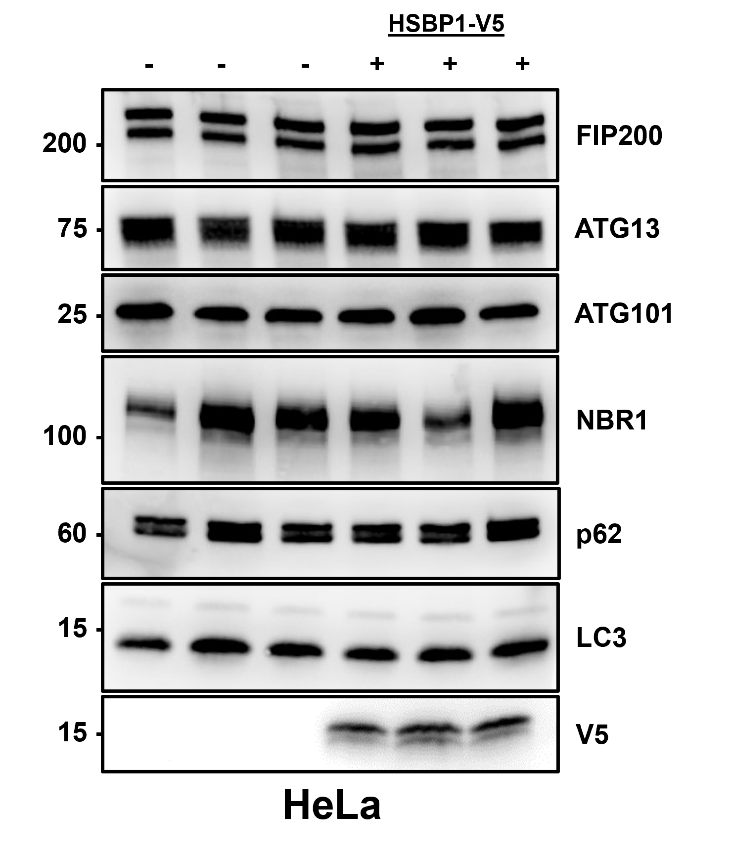
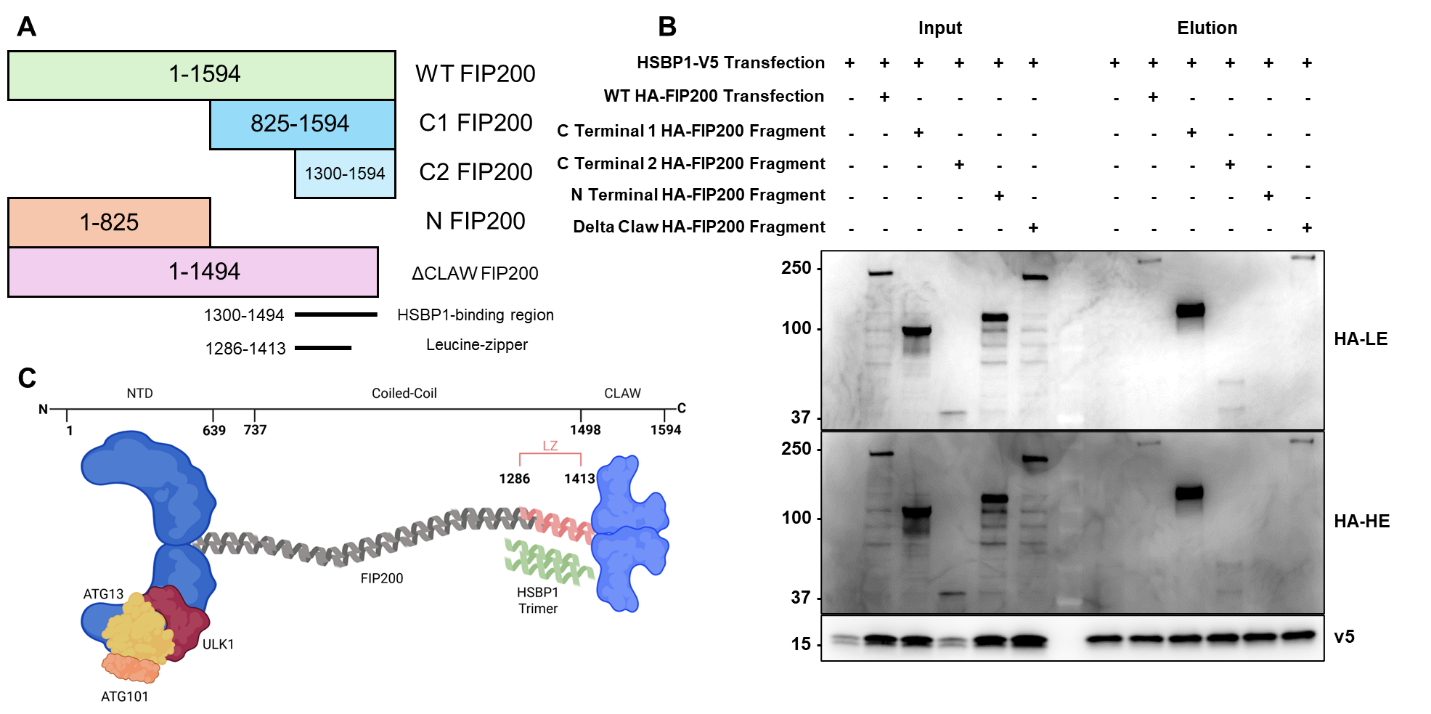
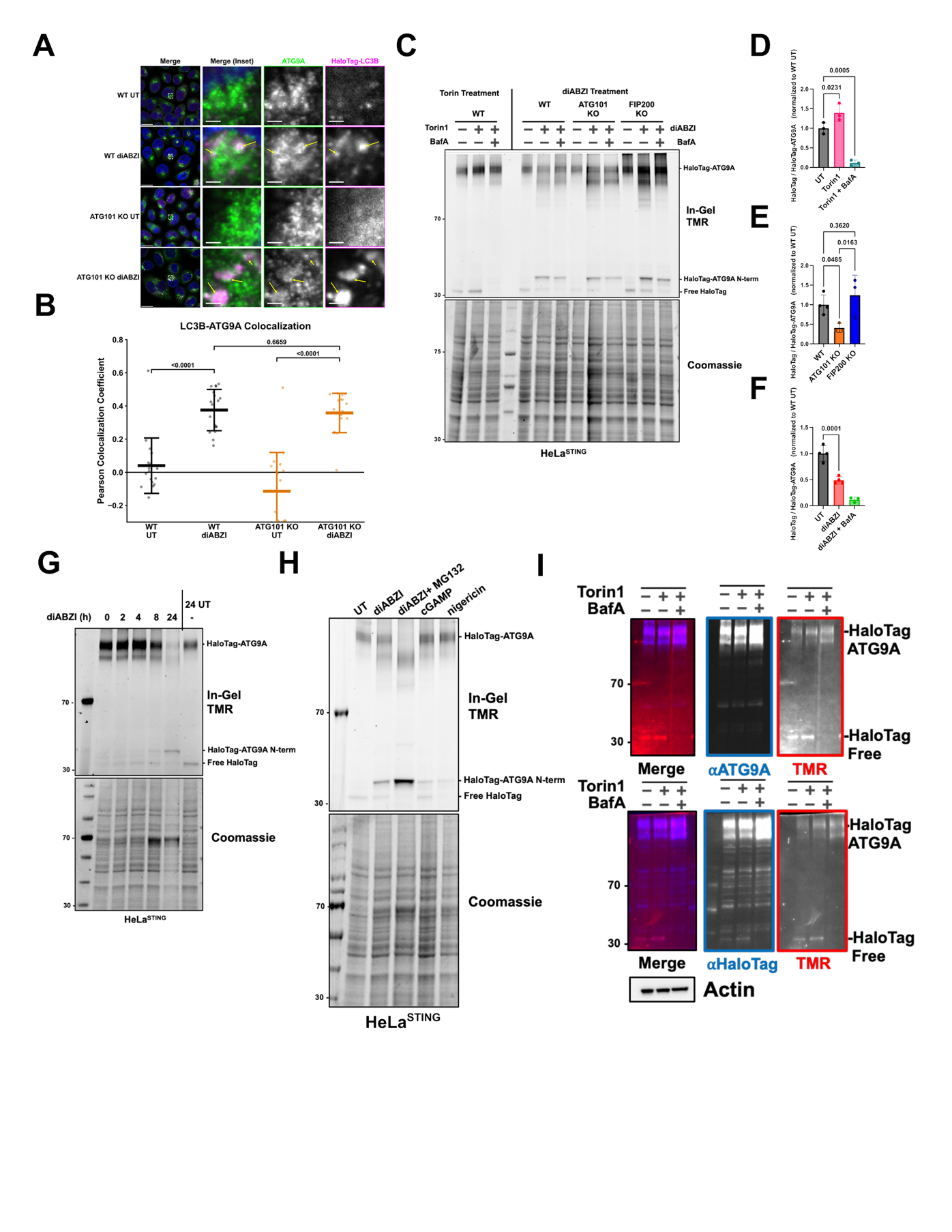
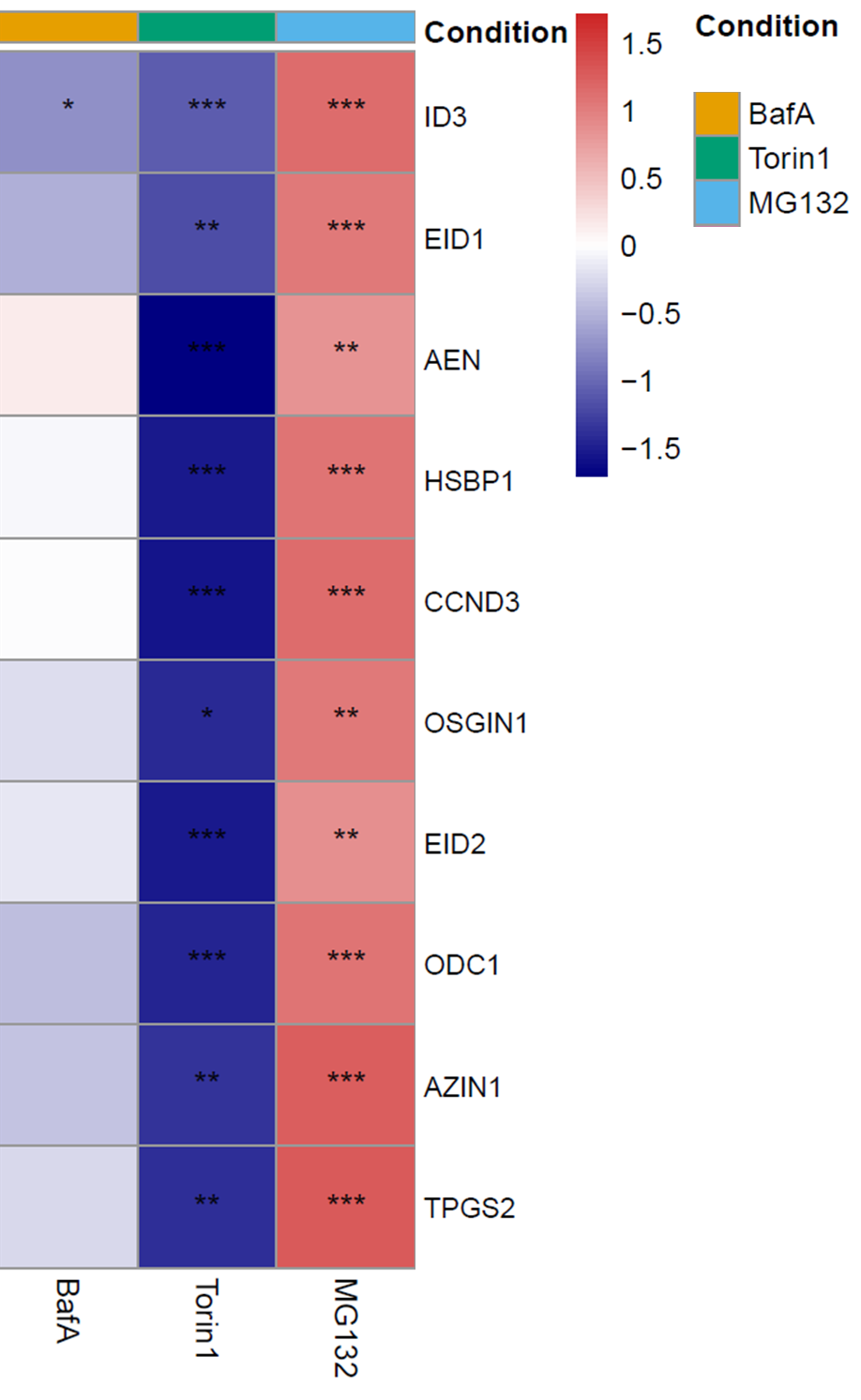
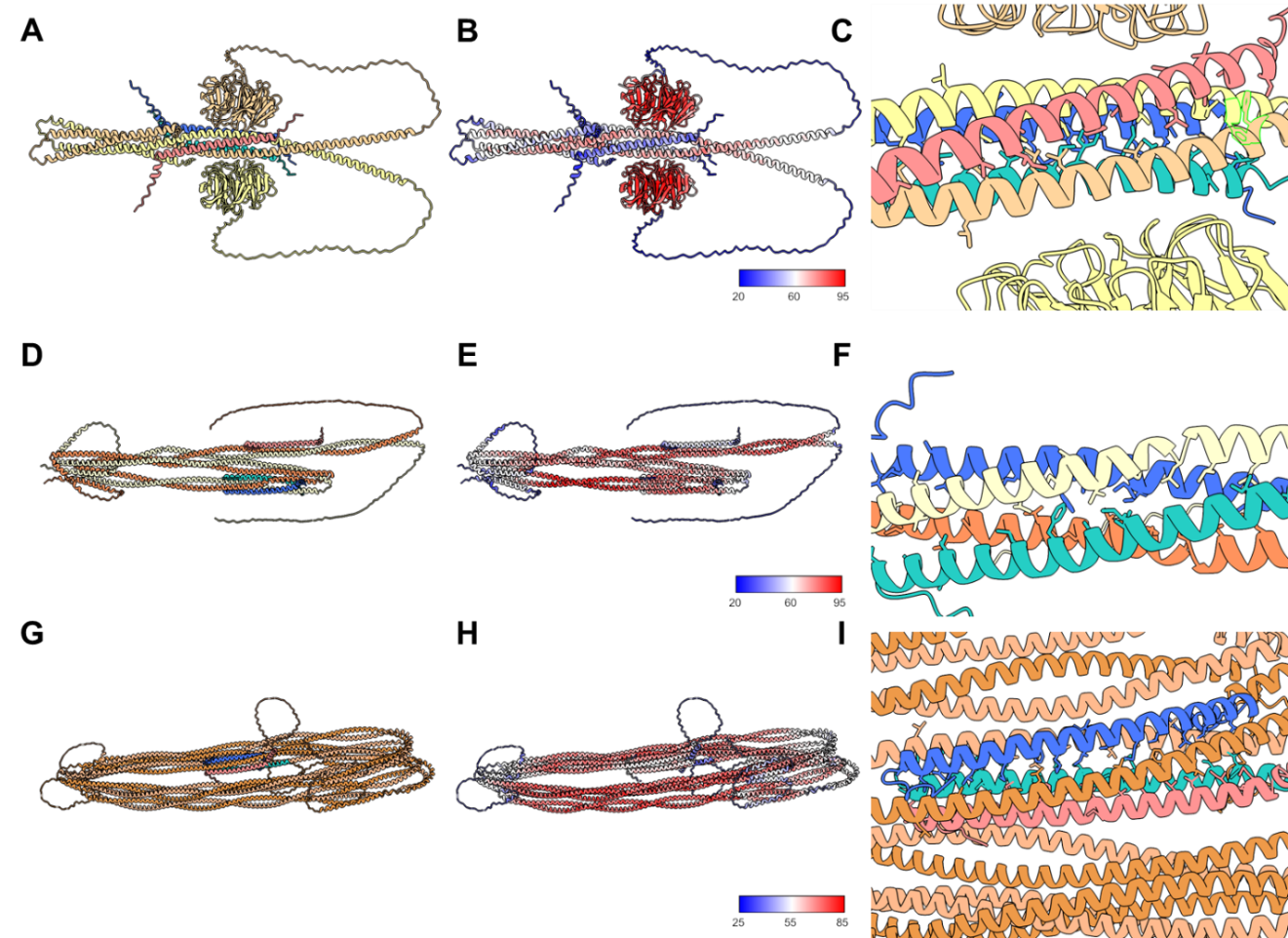
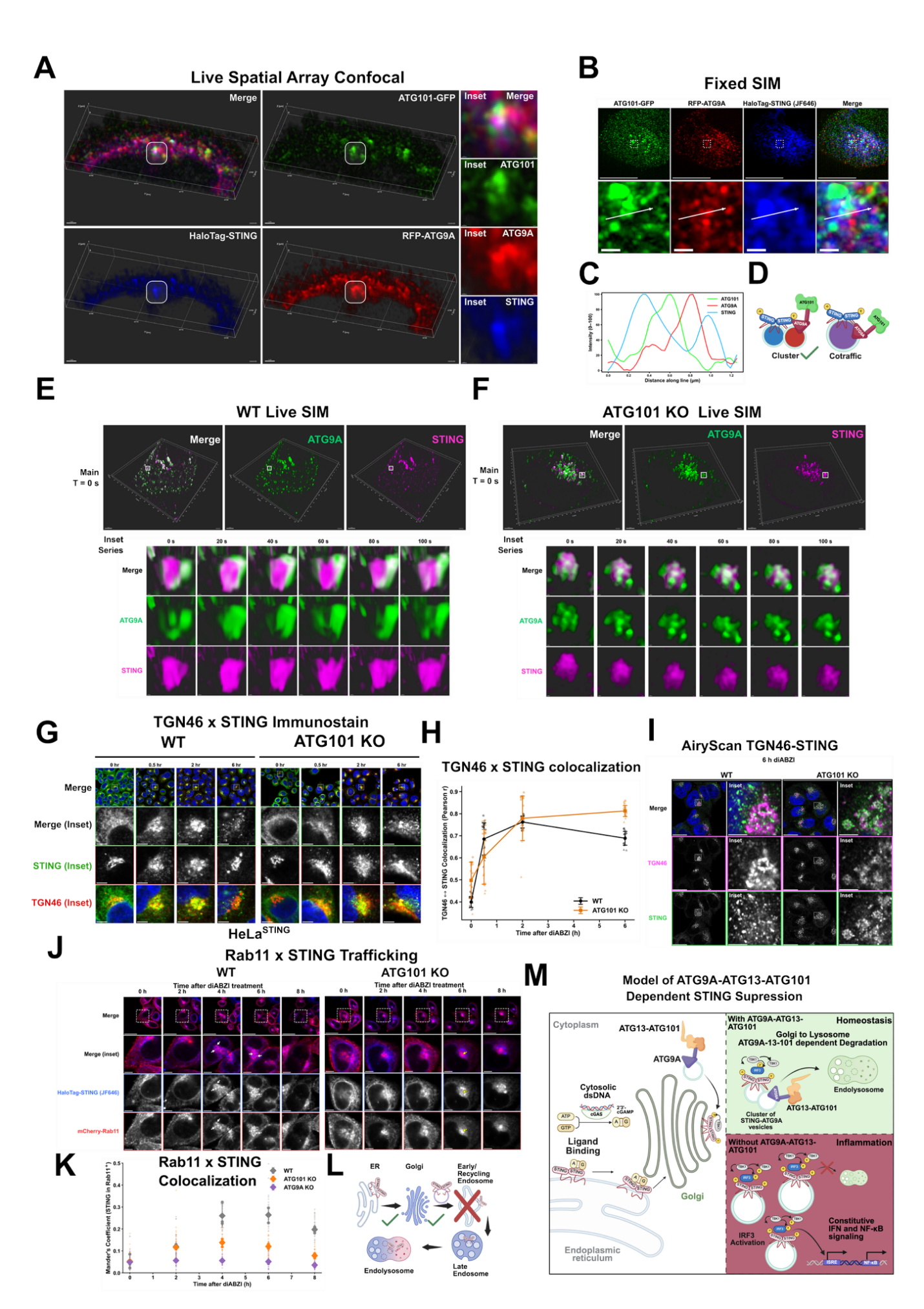
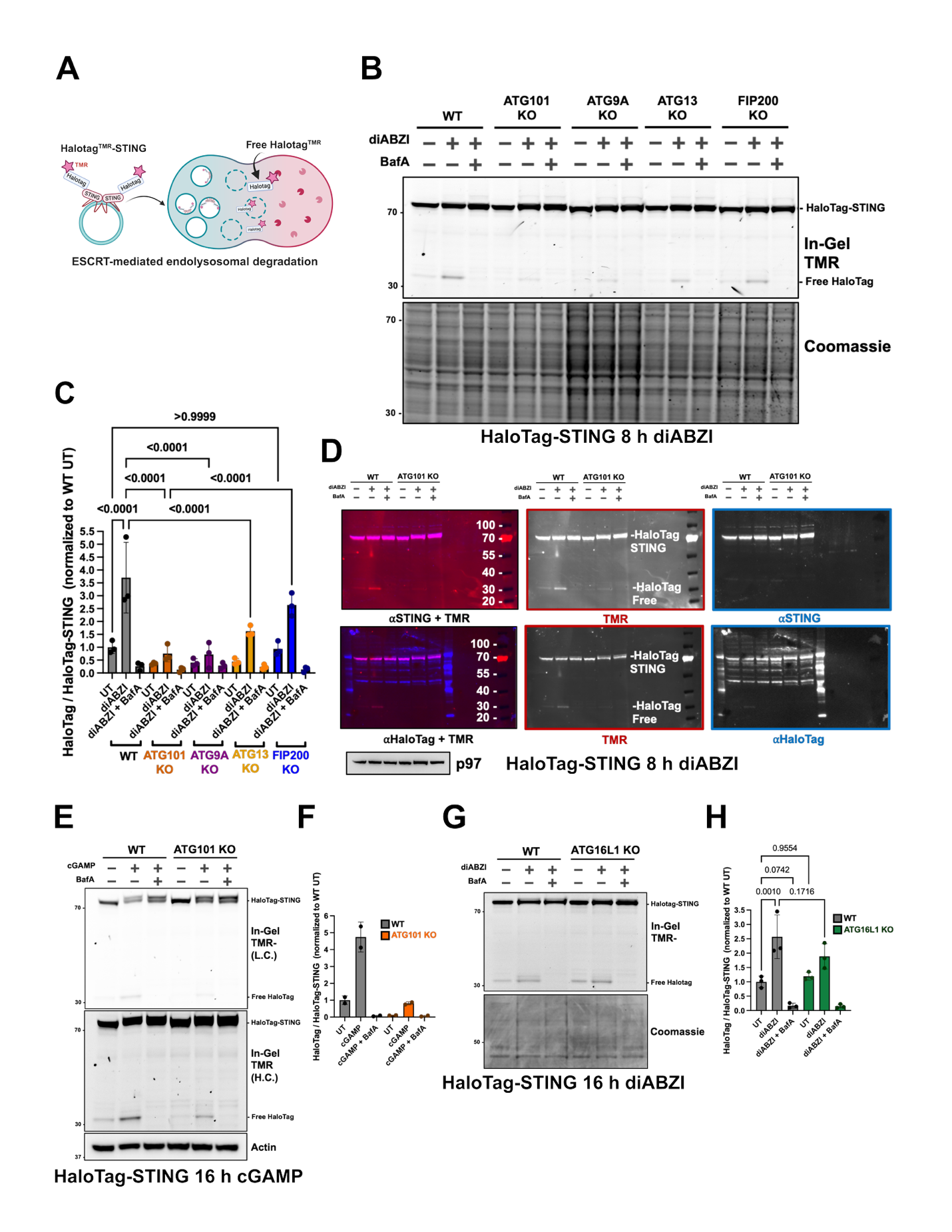
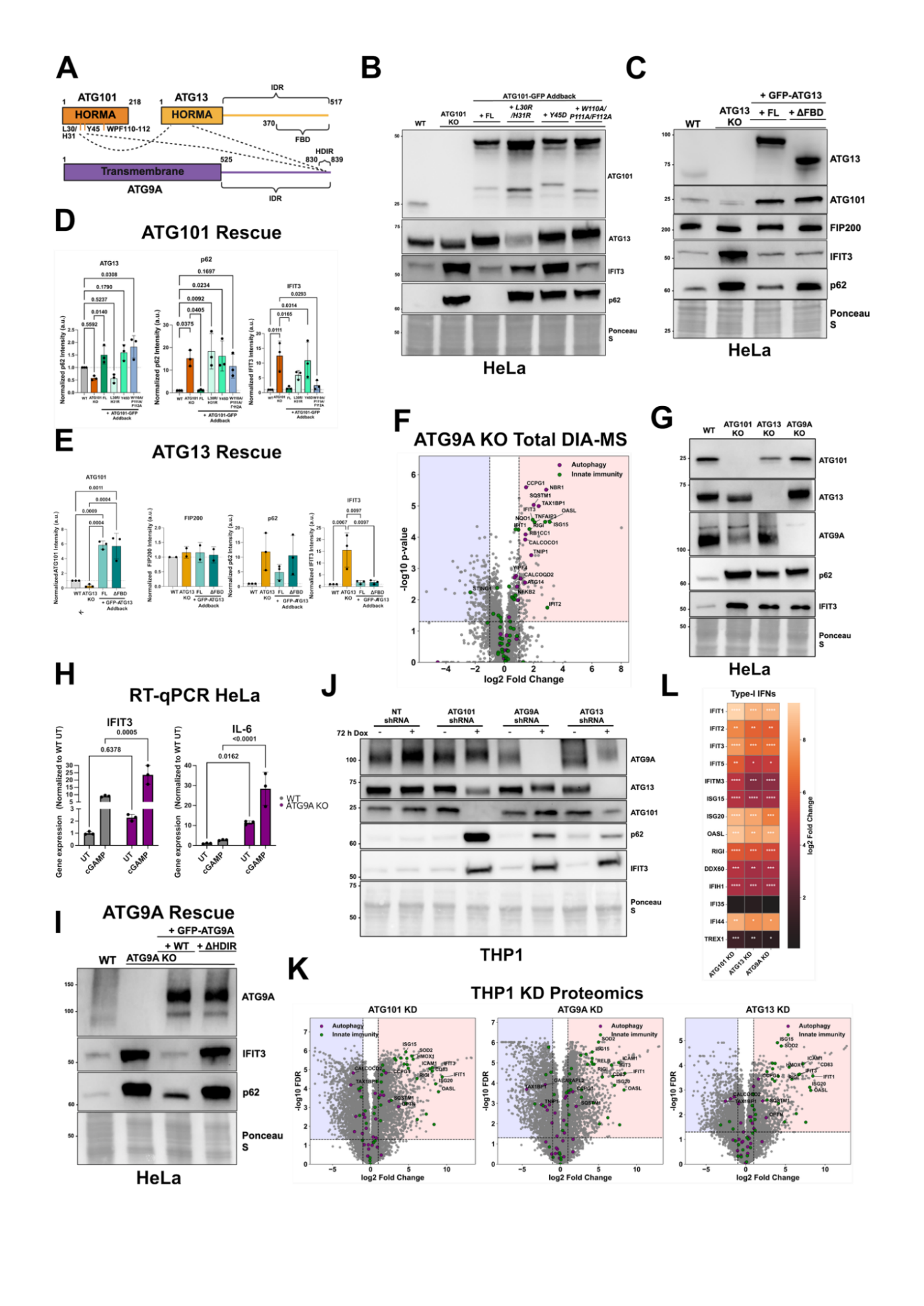
Autophagy is a conserved lysosome-mediated degradation pathway that maintains cellular homeostasis by recycling cytoplasmic components and responding to metabolic stress. Initiation of autophagy is coordinated by the ULK1 complex, comprising ULK1, FIP200, ATG13, and ATG101, which is regarded as the earliest regulatory node controlling autophagosome formation. Emerging evidence, however, suggests that components of this complex also function in signaling processes beyond canonical autophagy. This thesis identifies and describes a previously unrecognized role of the ATG9A–ATG13–ATG101 module in mediating a Golgi-to-lysosome trafficking pathway essential for the degradation and signal termination of STING, a central adaptor in the cGAS–STING innate immune pathway. We demonstrate that loss of ATG13, ATG101, or the Golgi-resident membrane protein ATG9A impairs STING turnover, resulting in constitutive and cell-autonomous interferon activation. Mechanistically, STING exiting the Golgi recruits ATG9A-positive vesicles that depend on the ATG13–ATG101 subcomplex to enable entry into the endolysosomal pathway. Notably, this function is separable from canonical autophagy initiation, revealing a noncanonical trafficking role for autophagy-associated proteins in immune signal regulation. Complementing these findings, we identify Heat Shock Factor Binding Protein 1 (HSBP1) as a direct interactor of FIP200 that associates with coiled-coil scaffolds and vesicle-tethering factors, including ATG16L1 and EEA1, suggesting a role in organizing multimeric membrane trafficking assemblies. HSBP1 is intrinsically short-lived and undergoes rapid proteasome-dependent degradation during metabolic stress, indicating a regulatory mechanism independent of lysosomal autophagy. Together, this thesis describes previously unrecognized functions of autophagy initiation machinery in coordinating vesicular trafficking and innate immune regulation, establishing ATG9A–ATG13–ATG101 as a Golgi-to-lysosome trafficking module for STING.
Files
- image34.png (image/png)
- image28.png (image/png)
- image20.png (image/png)
- image10.png (image/png)
- image12.png (image/png)
- image11.png (image/png)
- image27.png (image/png)
- image32.png (image/png)
- image24.png (image/png)
- image7.png (image/png)
- image1.png (image/png)
- image14.png (image/png)
- image2.png (image/png)
- image16.png (image/png)
- image13.png (image/png)
- image22.png (image/png)
- image29.png (image/png)
- image33.png (image/png)
- image8.png (image/png)
- image6.png (image/png)
- image3.png (image/png)
- image31.png (image/png)
- image5.png (image/png)
- image15.png (image/png)
- image35.png (image/png)
- image25.png (image/png)
- image26.png (image/png)
- image18.png (image/png)
- image36.png (image/png)
- image30.png (image/png)
- image21.png (image/png)
- image17.png (image/png)
- image23.png (image/png)
- image19.png (image/png)
- image9.png (image/png)
- K_Leslie_Caltech_Thesis_May2026_Final.pdf (application/pdf)